
Categories
Market UpdatePublished March 3, 2026
Rent Affordability Hits Four‑Year High — What It Means for Renters and the Phoenix Housing Market in 2026

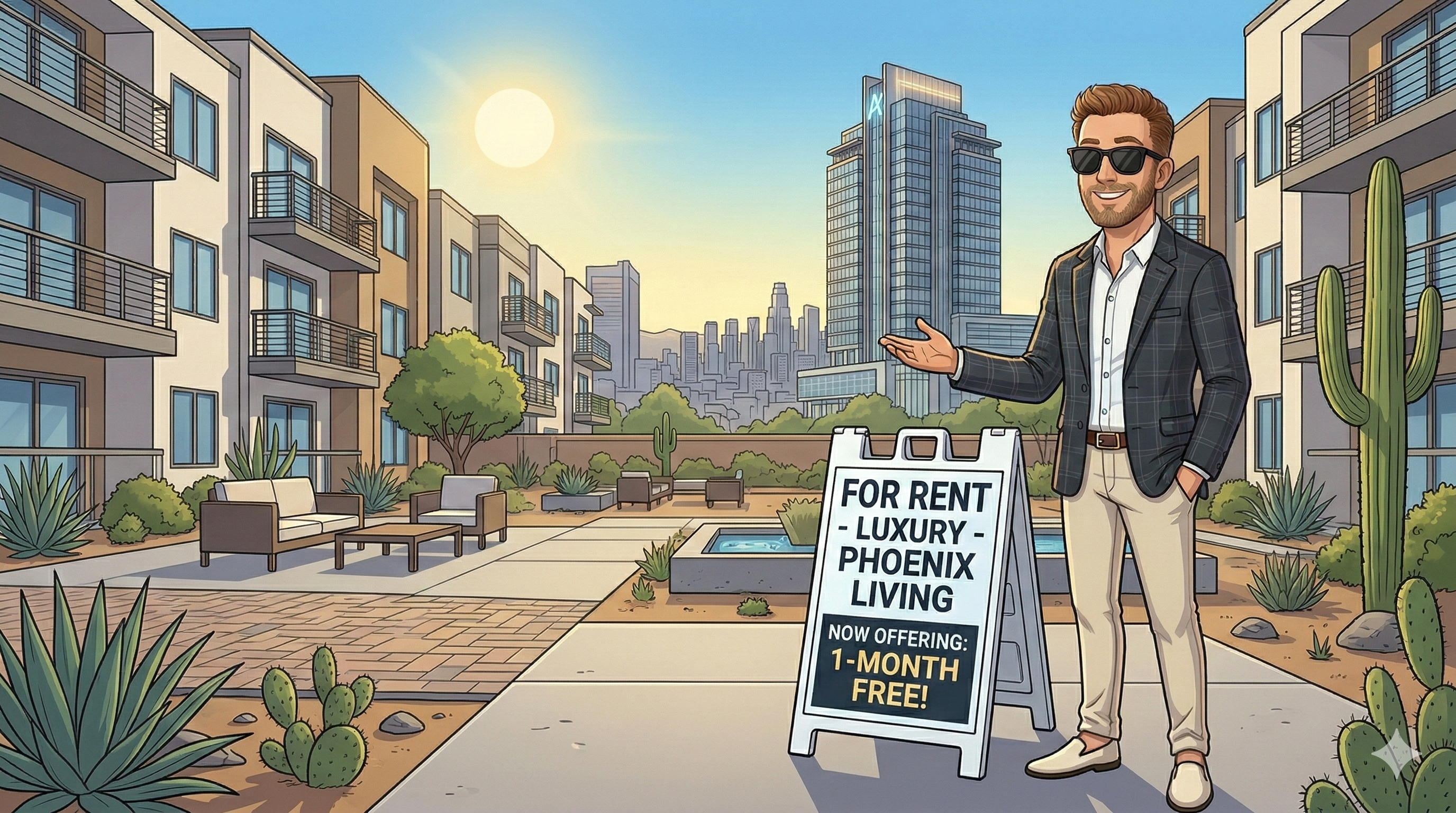
Good news for renters nationwide — and for those considering renting as a step toward future homeownership — rental affordability is improving, hitting its highest point in four years. According to a recent forecast, slower rent growth combined with expanding rental supply is helping ease financial pressure for many tenants across the U.S., including residents in the Phoenix metro and Arizona markets.
What’s Driving Increased Rent Affordability?
After years of rapid rent increases following the pandemic, the rental market has begun to shift toward greater balance and opportunity for tenants. Here’s how:
Slower Rent Growth:
Nationally, asking rents rose by only about 2% year‑over‑year in early 2026 — the slowest annual growth seen since 2020.
Supply Expansion:
Many new apartment units delivered in recent years following a multifamily construction boom, and more units continue to hit the market. This increase in supply is giving renters more options and negotiating power with landlords.
Elevated Vacancies:
As vacancy rates rise, property managers face more competition to attract and retain tenants, which is helping keep rent increases modest and leasing incentives elevated.
Concessions on the Rise:
Nearly 40% of rental listings nationwide now offer concessions — such as a free month of rent or reduced security deposits — helping lower move‑in costs and improve affordability for renters.
Affordability: What the Numbers Show
According to Zillow’s Observed Rent Index (ZORI), the typical asking rent in January 2026 was around $1,895, essentially unchanged from the prior month and up only modestly year‑over‑year. This slower pace of growth makes monthly rental payments more manageable for many households.
Importantly, as rent growth has moderated while incomes have continued to rise, affordability has actually improved:
- Renters now spend about 26.4% of their income on rent, the lowest share seen since August 2021.
This level of rent as a share of income is generally considered more sustainable compared with earlier in the decade, when rapid increases pushed many households to spend 30% or more of their income on housing costs.
What This Means for Renters in 2026
With rent growth slowing and concessions still common, renters currently have more leverage than they’ve had in years:
✔ Easier Negotiations: Renters can negotiate lease terms, concessions, and incentives, especially in areas with abundant supply.
✔ More Time to Shop: Reduced urgency in the market means renters can compare properties more carefully rather than rushing into higher payments.
✔ Better Path to Homeownership: For many potential buyers, improved rental affordability can free up savings for down payments — making the transition from renting to owning more achievable.
Looking Ahead: How Long Will This Last?
Zillow forecasts that rent affordability could continue to improve through the rest of 2026:
- Multifamily rents are expected to remain essentially flat by year end.
- Single‑family rentals are projected to rise modestly — about 1.1% annually.
This suggests that factors like supply and vacancies will continue to support more balanced rental markets in the months ahead, giving renters and investors a more predictable environment than the sharp rent surges seen in prior years.
What Renters Should Do Now
If you’re renting — or thinking about moving — these trends offer a chance to act thoughtfully:
- Compare Lease Incentives: Look for units offering concessions or flexible terms.
- Budget Smartly: With affordability improving, re‑evaluate how much rent fits comfortably into your budget.
- Plan for the Future: Improved rental cost structure can create savings opportunities — especially for renters seeking to transition into homeownership later in 2026.
After years of steep rent growth that strained budgets across the country, rental affordability is now hitting its highest level in four years. With rent increases slowing, vacancies remaining elevated, and concessions widely available, 2026 is shaping up to be a more renter‑friendly year. These trends offer breathing room for tenants and can pave the way for long-term financial planning and future homeownership goals.
What This Means for Phoenix Renters
For Phoenix renters, this trend is particularly significant. The metro area has experienced some of the fastest rent growth in the Sun Belt over the past five years, pushing affordability challenges for many households. Slower rent growth and rising supply in neighborhoods such as Central Phoenix, Tempe, and North Phoenix mean renters now have more options and negotiating power than in previous years. This relief provides an opportunity to save for homeownership, explore diverse neighborhoods, and take advantage of concessions being offered by landlords — a promising sign for those navigating the Phoenix rental market in 2026.
|


or another way