
Categories
LeadershipPublished December 7, 2025
How to Start Budgeting for Beginners: A Real Story of Going from $160K in Debt to Financial Control

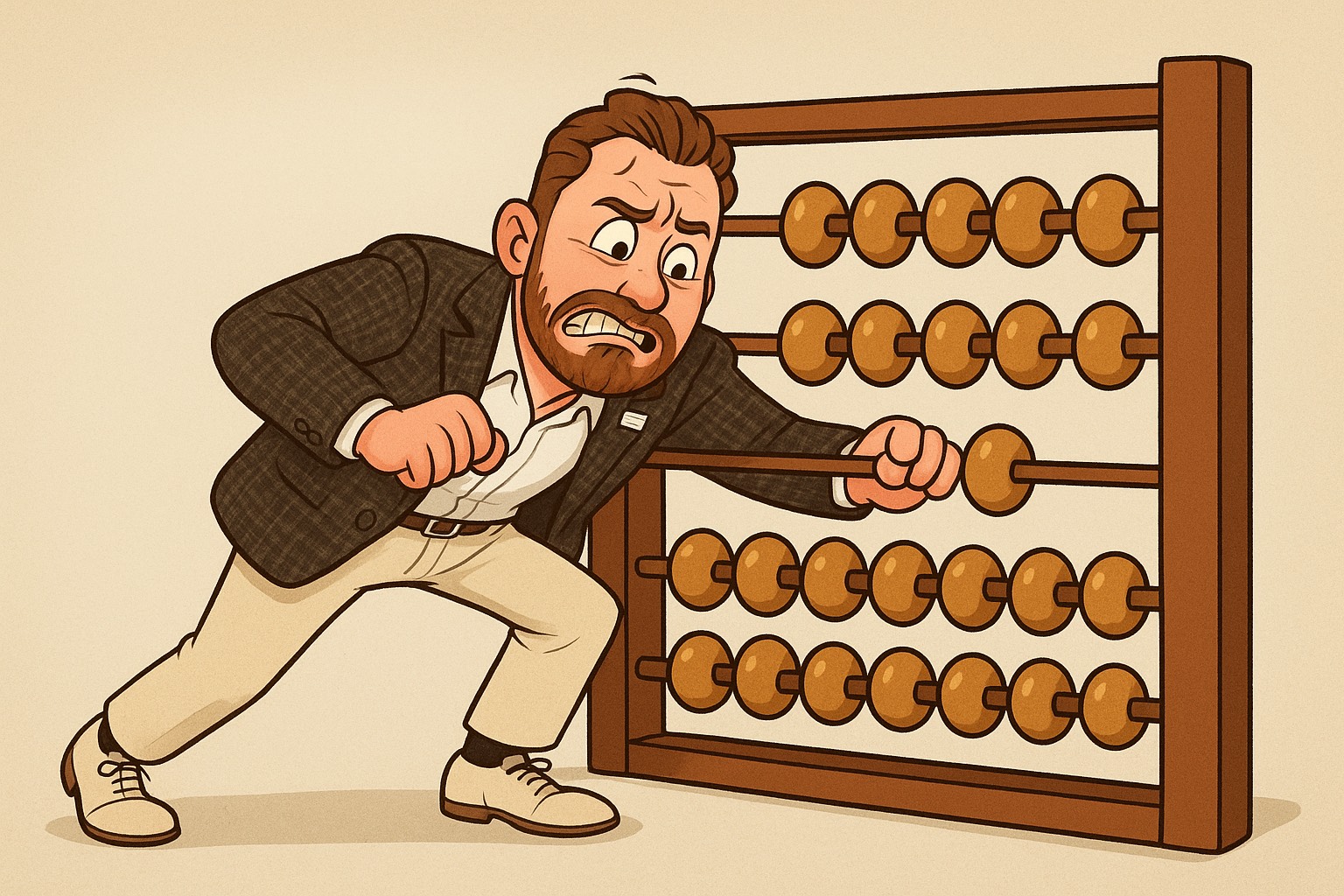
Let me be honest with you: I was sitting on over $160K in debt, had no idea where nearly $20K in revenue was going every month, and my personal finances... let's just say they were in even worse shape.
If you're reading this, you might be in a similar place. Maybe you're a young professional watching your paycheck disappear, a family trying to save for something that matters, a student juggling loans and life, or someone who just wants to stop feeling anxious every time you check your bank account.
I've been there. And I'm going to show you exactly how I turned it around, not with theory, but with the real steps that stopped the bleeding and built a future for my family.
You can spend hours building the perfect spreadsheet, color-coding every category, planning every dollar... and then forget about it three weeks later. The budget becomes this thing you made once, not a living system that actually guides your decisions.
The truth is simple: A budget you don't use is worthless.
That created the snap of insight I needed: "I can't fix what I can't see—but now that I see it, I can't ignore it."
That's when control started replacing chaos. That's when budgeting stopped feeling like punishment and started feeling like empowerment.
Here's what made the difference:
Automated tracking
No more guessing where the money went. Transactions categorized themselves, so I could see the truth without wrestling spreadsheets.
Visual dashboards
When you can see your money story on one page, the decisions get easier.
Goal tracking
Each goal becomes a target your brain locks onto. Monarch makes progress feel tangible.
Alerts & limits
Like guardrails on a mountain road. The second a category drifted, Monarch nudged me before a problem became a crisis.
These features didn't just organize my finances, they reprogrammed the way I made decisions.
Note: Monarch offers a free trial (usually 7 days), and the base subscription gives you full access to tracking, dashboards, and goal-setting without overwhelming you with features you won't use on day one.
On day one, the win is momentum, not perfection.
Here's exactly what to do if you're using Monarch (or similar software):
Consolidated or eliminated subscriptions that weren't adding value. I found a cluster of $10–$40 recurring subscriptions that totaled nearly $400 a month. Gone.
Restructured debts with the highest monthly drain. I refinanced a car loan and dropped the payment by over $300 a month, one move that instantly created breathing room.
Rewrote variable spending in food, entertainment, and impulse buys.
Capped discretionary categories to stop runaway months.
It wasn't about cutting joy. It was about cutting noise.
Most people feel a shift within the first 30 days, because awareness alone changes behavior. You'll catch yourself thinking twice before spending, not out of guilt, but out of understanding.
True progress, confidence, control, and consistency, usually takes 60–90 days. By then you've lived through a few real-life scenarios: the unexpected bill, the overspend, the impulse buy. And you've learned how to respond instead of react.
For me, stopping the bleeding took about 60 days. Building the future, healthy cash flow, predictable spending, debt reduction momentum, took another 90 days. Within six months, everything felt different: calmer, clearer, intentional.
Here's how to reframe it:
Budgeting isn't restriction, it's alignment. You're not being told what you can't have. You're choosing what matters most.
You're not being judged, you're being informed. The numbers don't care about your past. They're just showing you the present so you can build a better future.
You're not cutting back, you're taking back control. Every dollar you direct intentionally is a dollar that's working for you, not against you.
When you normalize the emotional side, you step into the process with more safety and less self-criticism. You start to see budgeting as a tool, not a punishment.
Most advice obsesses over tiny expenses. Don't get that $5 coffee. Skip the avocado toast. Bring lunch from home.
Sure, those things add up. But the real leverage is in:
Small wins feel good. Big wins change lives.
Truth: A budget funds the things you want more of. It doesn't shut the door; it opens the right doors.
Myth #2: "I need to be disciplined to budget."
Truth: You need a system that works even when you're not disciplined. That's what automation and alerts do.
Myth #3: "If I make more money, budgeting won't matter."
Truth: People don't out-earn poor habits; they amplify them. I've seen six-figure earners with the same cash flow problems as entry-level employees.
Myth #4: "Budgets are restrictive and rigid."
Truth: The best budgets flex, adapt, and evolve with your life. Mine looks different now than it did six months ago, and that's exactly how it should be.
If you're reading this, you might be in a similar place. Maybe you're a young professional watching your paycheck disappear, a family trying to save for something that matters, a student juggling loans and life, or someone who just wants to stop feeling anxious every time you check your bank account.
I've been there. And I'm going to show you exactly how I turned it around, not with theory, but with the real steps that stopped the bleeding and built a future for my family.
The #1 Problem That Kills Most Budgets Before They Start
Here's what I see happen over and over: People don't fail at budgeting because they're bad with money. They fail because they get overwhelmed or lose track.You can spend hours building the perfect spreadsheet, color-coding every category, planning every dollar... and then forget about it three weeks later. The budget becomes this thing you made once, not a living system that actually guides your decisions.
The truth is simple: A budget you don't use is worthless.
My Breakthrough Moment: Seeing the Full Picture
My transformation started the moment I saw the full picture in one screen. Every account. Every debt. Every subscription. Laid out without excuses or blind spots.That created the snap of insight I needed: "I can't fix what I can't see—but now that I see it, I can't ignore it."
That's when control started replacing chaos. That's when budgeting stopped feeling like punishment and started feeling like empowerment.
The Tool That Changed Everything: Monarch Money
I want to be upfront with you: I use software called Monarch Money, and it's been life-saving for both my personal budget and business budget. This isn't some affiliate pitch, this is me telling you what actually worked when I was drowning.Here's what made the difference:
Automated tracking
No more guessing where the money went. Transactions categorized themselves, so I could see the truth without wrestling spreadsheets.
Visual dashboards
When you can see your money story on one page, the decisions get easier.
Goal tracking
Each goal becomes a target your brain locks onto. Monarch makes progress feel tangible.
Alerts & limits
Like guardrails on a mountain road. The second a category drifted, Monarch nudged me before a problem became a crisis.
These features didn't just organize my finances, they reprogrammed the way I made decisions.
Note: Monarch offers a free trial (usually 7 days), and the base subscription gives you full access to tracking, dashboards, and goal-setting without overwhelming you with features you won't use on day one.
How to Actually Start: Your First 24 Hours
Most people freeze because they think budgeting requires forensic-level tracking. It doesn't.On day one, the win is momentum, not perfection.
Here's exactly what to do if you're using Monarch (or similar software):
Step 1: Sync Every Single Account
Checking, savings, credit cards, loans, business, personal, all of it. Without complete visibility, the system can't serve you. This is non-negotiable.Step 2: Let the Software Categorize Your Last 90 Days
Don't manually categorize everything. Let Monarch automatically categorize the last 90 days of transactions. That data becomes your roadmap. You'll see patterns you didn't know existed.Step 3: Start With Broad Categories
Focus on the big buckets:- Housing
- Food
- Transportation
- Lifestyle
- Debt payments
What "Stopping the Bleeding" Actually Looked Like
Within my first 60 days, I attacked the financial leaks with precision:Consolidated or eliminated subscriptions that weren't adding value. I found a cluster of $10–$40 recurring subscriptions that totaled nearly $400 a month. Gone.
Restructured debts with the highest monthly drain. I refinanced a car loan and dropped the payment by over $300 a month, one move that instantly created breathing room.
Rewrote variable spending in food, entertainment, and impulse buys.
Capped discretionary categories to stop runaway months.
It wasn't about cutting joy. It was about cutting noise.
The Timeline: What to Expect
Give it one month for clarity, and three months for confidence.Most people feel a shift within the first 30 days, because awareness alone changes behavior. You'll catch yourself thinking twice before spending, not out of guilt, but out of understanding.
True progress, confidence, control, and consistency, usually takes 60–90 days. By then you've lived through a few real-life scenarios: the unexpected bill, the overspend, the impulse buy. And you've learned how to respond instead of react.
For me, stopping the bleeding took about 60 days. Building the future, healthy cash flow, predictable spending, debt reduction momentum, took another 90 days. Within six months, everything felt different: calmer, clearer, intentional.
The Mindset Shift You Need to Make
Budgeting isn't just math, it's mindset. Shame, overwhelm, and fear of deprivation show up for nearly everyone.Here's how to reframe it:
Budgeting isn't restriction, it's alignment. You're not being told what you can't have. You're choosing what matters most.
You're not being judged, you're being informed. The numbers don't care about your past. They're just showing you the present so you can build a better future.
You're not cutting back, you're taking back control. Every dollar you direct intentionally is a dollar that's working for you, not against you.
When you normalize the emotional side, you step into the process with more safety and less self-criticism. You start to see budgeting as a tool, not a punishment.
A Controversial Truth: Cutting Lattes Doesn't Change Lives
Here's my unpopular opinion: Fixing your big numbers does.Most advice obsesses over tiny expenses. Don't get that $5 coffee. Skip the avocado toast. Bring lunch from home.
Sure, those things add up. But the real leverage is in:
- Housing costs
- Car payments
- Debt structure
- Lifestyle creep on major expenses
Small wins feel good. Big wins change lives.
Busting the Biggest Budgeting Myths
Myth #1: "A budget means I can't enjoy life."Truth: A budget funds the things you want more of. It doesn't shut the door; it opens the right doors.
Myth #2: "I need to be disciplined to budget."
Truth: You need a system that works even when you're not disciplined. That's what automation and alerts do.
Myth #3: "If I make more money, budgeting won't matter."
Truth: People don't out-earn poor habits; they amplify them. I've seen six-figure earners with the same cash flow problems as entry-level employees.
Myth #4: "Budgets are restrictive and rigid."
Truth: The best budgets flex, adapt, and evolve with your life. Mine looks different now than it did six months ago, and that's exactly how it should be.
Your Next Step
If you're ready to stop the bleeding and start building, here's what I want you to do:- Get visibility. You can't manage what you can't measure. Whether it's Monarch or another tool, sync your accounts and see the full picture.
- Give yourself 30 days. Commit to tracking and reviewing for one month. No judgment, just data.
- Start with the big rocks. Don't obsess over coffee. Look at your housing, transportation, and debt. Those are the numbers that will change your life.
- Be kind to yourself. This is hard work. It was super difficult for me, but well worth the pain to educate myself and pull myself out of a rut.
|


or another way